
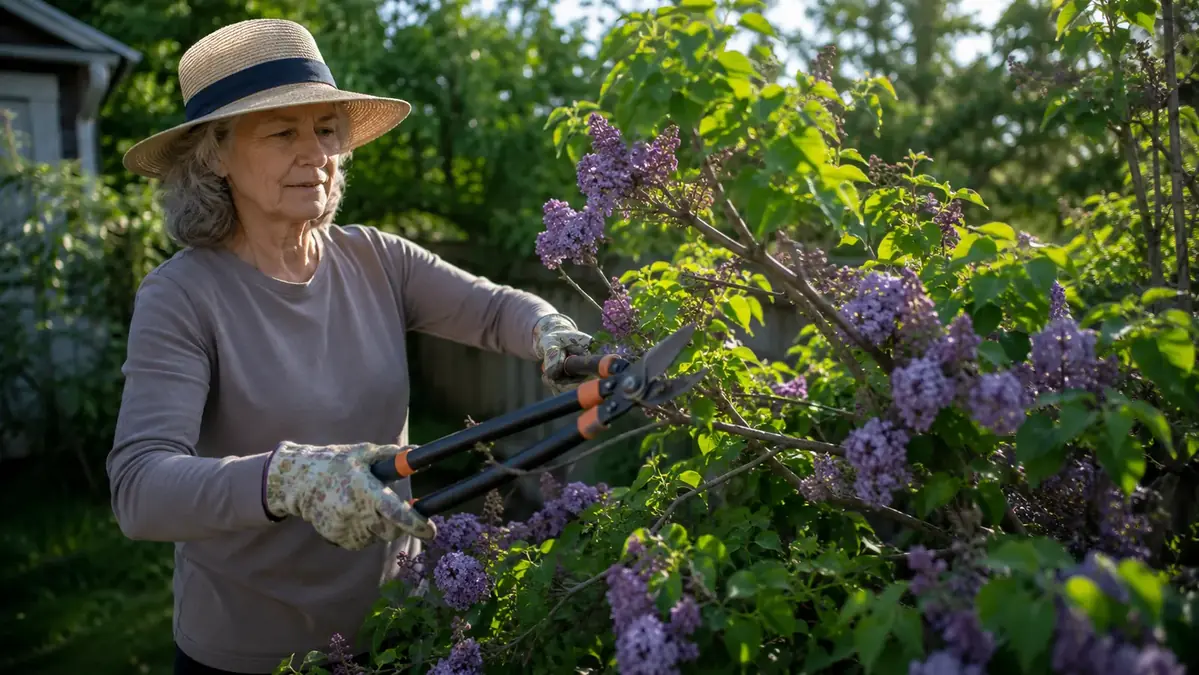
My hand pruners used to live in my back pocket every single day, right up until the afternoon I tried to take out a lilac sucker thicker than my thumb. The blades squeezed shut, the branch barely dented, and my wrist ached for a week after. That was the day I finally bought a pair of Fiskars 28-inch bypass loppers, and I have not gone back to muscling through thick wood with a tool that was built for pencil-thin stems.
If you have ever forced a hand pruner through a branch it was never sized for, or reached for a hacksaw and started sawing away at a live limb, you already know the problem. Thick branches, anything from about half an inch up to an inch and a half across, need real leverage and a blade that slices clean instead of crushing. That is exactly what a good pair of bypass loppers is built to do, and here are ten reasons this particular pair earns a spot by my back door every spring.
Quit Wrestling Branches With the Wrong Tool
A pair of loppers costs a lot less than the plant you split or the wrist you strain forcing pruners through wood they weren't built for. Check today's price and specs on Amazon before your next pruning day.
Amazon Check Today's Price on Amazon →The Bypass Blade Cuts, It Doesn't Crush
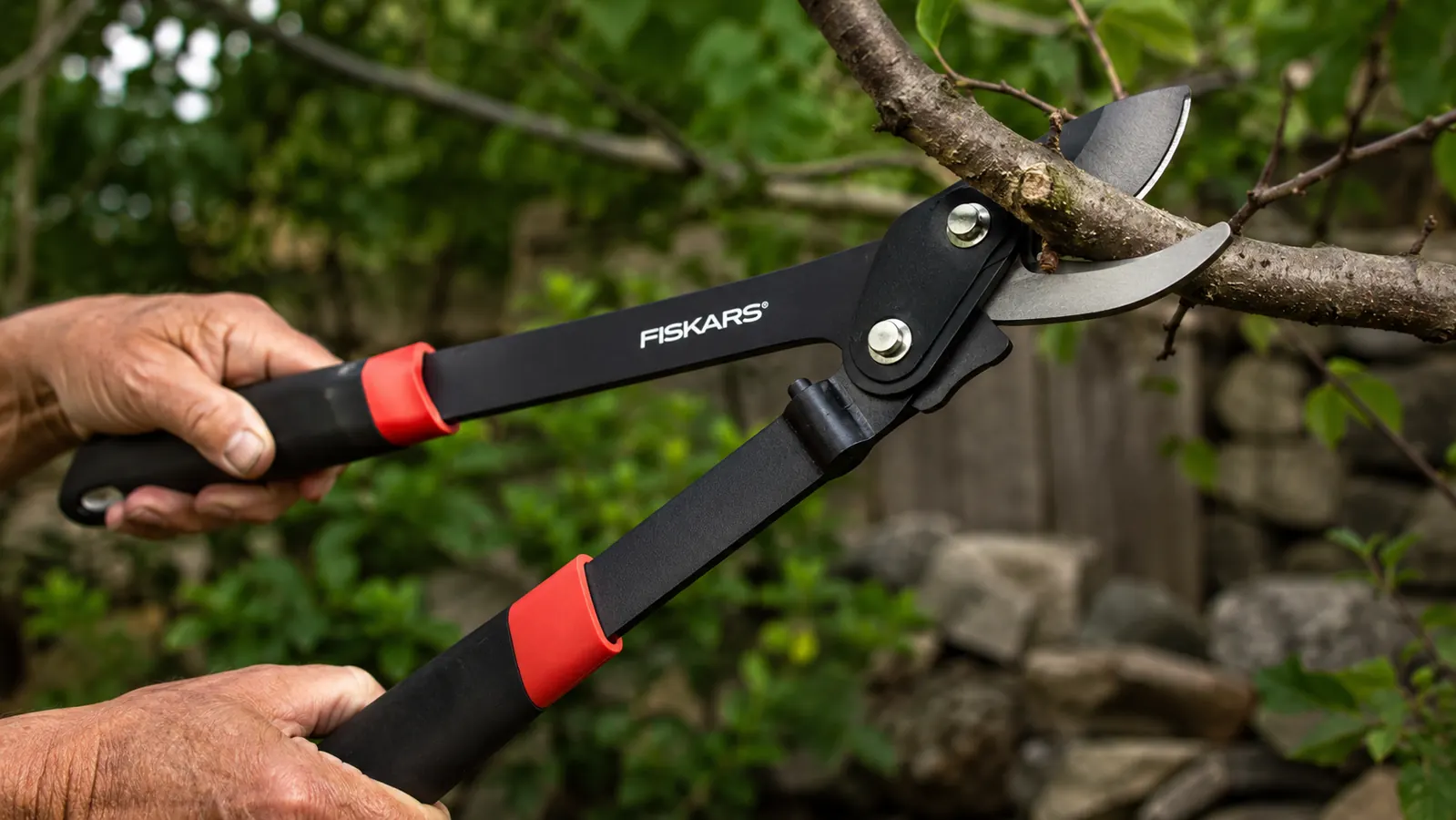
Bypass loppers work like a pair of scissors. One sharp curved blade slides past a flat lower blade, so the branch gets sliced through cleanly instead of pinched between two flat surfaces the way an anvil-style tool works. That matters more than it sounds like it would. A clean cut heals faster and seals off quicker, so the plant is not left with a crushed, ragged wound that invites disease or rot. On my roses and lilacs, that's the difference between a branch that leafs out fine next spring and one that dies back another six inches.
1.5-Inch Cut Capacity Handles Real Deadwood
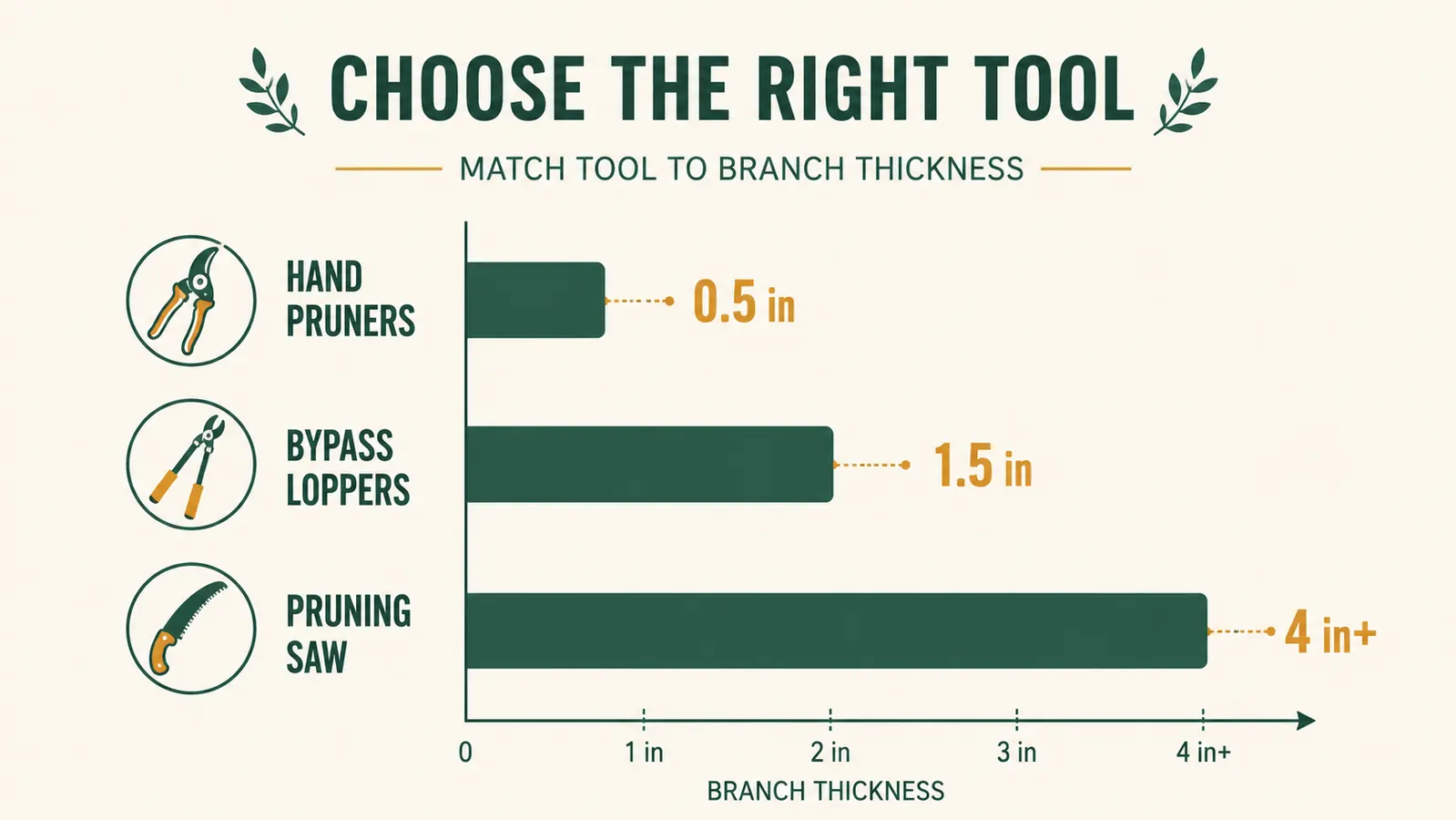
This is the number that actually matters when you're standing in front of an overgrown hedge. These Fiskars loppers are rated for branches up to 1.5 inches in diameter, which covers almost everything a home gardener runs into short of a small tree limb. Hand pruners typically max out around half an inch, so anything past that is where most people start hacking and sawing out of frustration. With a 1.5-inch capacity, you can take out old rose canes, lilac suckers, and dead hydrangea wood in one confident squeeze instead of five frustrated ones.
28 Inches of Handle Gives You Actual Leverage
Length is what turns arm strength into cutting force. The long handles on these loppers act like a lever, so you're not relying on grip strength alone to close the blades through thick wood. I noticed the difference immediately going from a stubby 14-inch pair to the full 28 inches. Branches that used to take three tries and a grunt now close in one smooth motion. If you've read up on how to <a href="/how-to-prune-overgrown-shrubs-with-bypass-loppers">prune overgrown shrubs with bypass loppers</a>, you already know handle length is half the technique.
The Shock-Absorbing Bumper Saves Your Wrists
Every time a lopper blade snaps shut through a branch, that force has to go somewhere, and without a bumper it goes straight into your wrist and elbow. These loppers have a built-in shock-absorbing bumper at the pivot that soaks up the jolt on every single cut. After an afternoon of taking down a dead lilac hedge, I noticed I wasn't rubbing my wrist the way I used to with my old pair. If you've got any arthritis or a history of tennis elbow, this one detail is worth more than it sounds like on a spec sheet.
Rust-Resistant Steel Blades Hold an Edge Through a Season
Loppers spend most of their life outside, propped against a fence or tossed in a garden cart, and a lot of budget tools show rust spots by midsummer. The steel on these blades is treated to resist that, and mine still cut clean after a full season of being left out overnight more times than I'd like to admit. I go into more detail on how the blades held up over six months of real use in my full <a href="/fiskars-loppers-review-long-term">long-term loppers review</a>, but the short version is the edge stays sharp a lot longer than a cheap pair.
One Tool Replaces the Pruner-and-Saw Shuffle
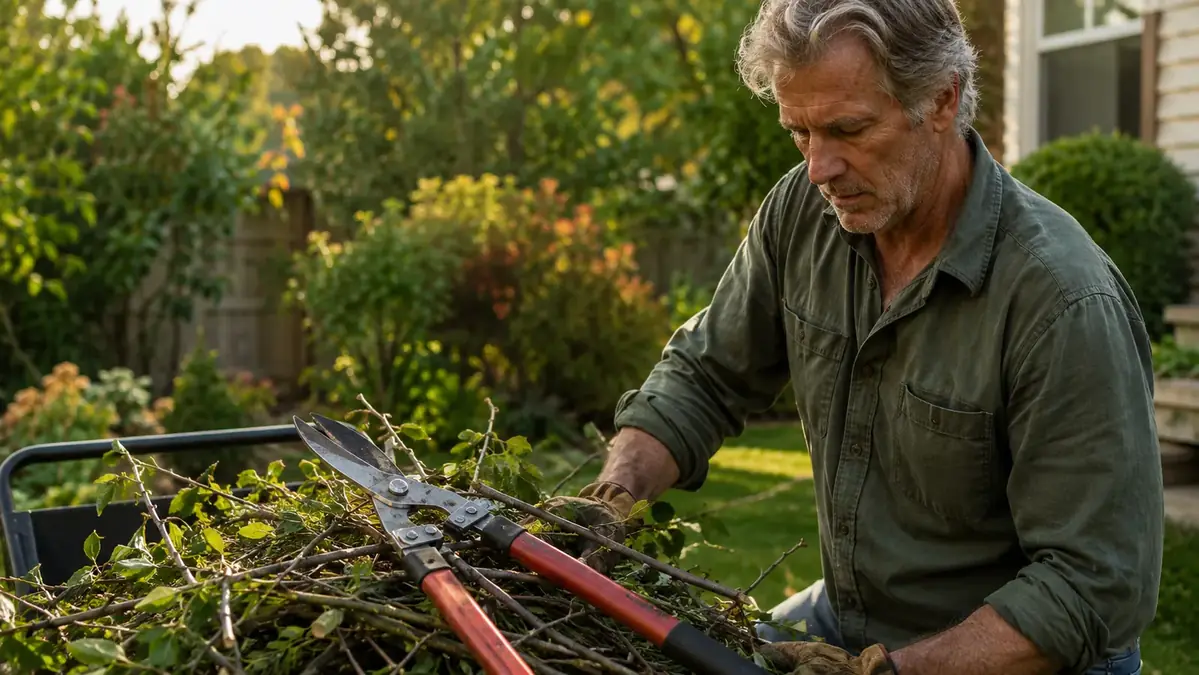
Before I owned a proper pair of loppers, thick branches meant a two-tool job: start with hand pruners, give up, go find the pruning saw, come back, saw through it, then clean up the ragged edge. Loppers cover that entire middle zone in one motion, which sounds small until you're twenty branches into a hedge trim and don't want to keep walking back to the shed. It's one tool doing the work of two, and it stays on my belt loop the whole time I'm out there.
A Grip Built for an Afternoon, Not Five Minutes
Cheap loppers tend to have thin, slick handles that turn into a blister factory after twenty or thirty cuts. These handles have a comfortable, non-slip coating that stayed grippy even when my hands got sweaty clearing out a overgrown corner of the yard in July. Small thing, but it's the difference between finishing the whole hedge in one go and putting the loppers down halfway through because your palms are raw.
Clean Cuts Mean Healthier Plants, Not Just Easier Ones
A crushed, torn cut is an open door for pests and fungal disease. A clean bypass cut closes up faster and gives the plant a much better shot at healing before the next rain or the next pest looking for an easy way in. I've watched this play out on my own hydrangeas, where the branches I cut with the loppers callus over cleanly while the ones I hacked at with dull pruners a few years back never quite recovered the same way. It's worth doing right the first time.
Light Enough to Use Without Wearing Yourself Out
There's a tradeoff with long-handled tools, more leverage usually means more weight, but these loppers stay light enough that I can carry them around the yard for an hour without my forearm giving out. That balance is what actually gets used season after season. A heavy, awkward pair of loppers ends up leaning in the shed corner while you go back to straining with hand pruners, which defeats the whole point.
It Costs Less Than the Plants a Dull Tool Ruins
I've replaced more than one rose bush and a young fruit tree branch that got wrecked by a cheap tool crushing instead of cutting. A solid pair of bypass loppers pays for itself the first time it saves a plant you actually care about, or the first time it saves you from a torn ligament trying to force a hand pruner through something too thick. Check today's price on Amazon and weigh it against what a ruined hedge or a strained wrist actually costs you.
What I'd Skip
I'd skip the ultra-cheap anvil-style loppers you sometimes see for a few dollars less. They crush more than they cut, which is fine for dead, brittle wood but rough on anything still alive. I'd also skip any pair with plastic-coated blades that dull fast, they look sharp in photos but lose their edge after a season of real branch work, and a dull lopper is more dangerous and more frustrating than no lopper at all.
The right tool doesn't fight the branch. It just goes through it.
Your Wrists (and Your Hedges) Will Thank You
Once you've cut a thick branch clean instead of crushing it, you won't want to go back to forcing hand pruners through wood they were never sized for. See today's price on the Fiskars 28-inch bypass loppers on Amazon.
Amazon Check Today's Price on Amazon →